Fatty Liver: Symptoms, Causes, Treatment, Diet & How to Reduce Liver Fat
Your liver works quietly every day.
It helps process nutrients, metabolize medicines and alcohol, produce bile, store energy and perform many other essential functions.
But liver disease can also develop quietly.
One of the most common examples is fatty liver disease. Many people with fatty liver have few or no obvious symptoms, meaning it may first be noticed during blood tests or imaging performed for another reason. NIDDK
So what exactly is fatty liver? Why does it happen? Can it be reversed? Which foods should you eat or avoid? And when should you see a doctor?
Here is a complete evidence-based guide.
What Is Fatty Liver?
Fatty liver means excess fat has accumulated inside the liver.
You may still see the older term:
NAFLD — Non-Alcoholic Fatty Liver Disease
The newer terminology is:
MASLD — Metabolic Dysfunction-Associated Steatotic Liver Disease
MASLD is associated with liver fat plus cardiometabolic risk factors. The spectrum can range from relatively simple steatosis to inflammation, fibrosis, cirrhosis and, in some people, liver cancer. EASL
Another important cause is alcohol-associated liver disease, which can also begin with fat accumulation in the liver and progress to more serious liver damage. AASLD
So “fatty liver” is not one single disease with one single cause.
What Does the Liver Do?
The liver is one of the body’s major metabolic organs.
Among its many functions, it helps with:
- Processing nutrients
- Producing bile
- Metabolizing many medicines
- Processing alcohol
- Regulating aspects of glucose and fat metabolism
- Storing certain vitamins and minerals
- Making important proteins
- Processing substances the body needs to eliminate
This is also why the popular idea that you simply need to periodically “detox your liver” is misleading.
Your liver is already continuously involved in processing and eliminating substances.
What Causes Fatty Liver?
Fatty liver does not simply mean that somebody “ate too much fat.”
MASLD is strongly associated with metabolic health.
Important risk factors include:
1. Overweight or Obesity
Excess body fat, particularly abdominal fat, is strongly associated with metabolic dysfunction and fatty liver.
2. Insulin Resistance
Insulin resistance can alter the way the body handles glucose and fats.
3. Type 2 Diabetes
Type 2 diabetes and fatty liver frequently occur together.
4. High Triglycerides or Abnormal Cholesterol
Abnormal blood lipids are another common metabolic risk factor.
5. Metabolic Syndrome
A combination of abdominal obesity, abnormal glucose, blood pressure and lipid abnormalities can increase risk.
6. Diet
High intake of excess calories, highly processed foods and sugar-sweetened beverages can contribute to metabolic problems associated with fatty liver.
7. Physical Inactivity
A sedentary lifestyle can contribute to insulin resistance, weight gain and poor metabolic health.
8. Genetics
Genes can also affect an individual’s susceptibility.
9. Alcohol
Alcohol can cause a separate spectrum of liver injury and can worsen liver health. WHO recognizes alcohol consumption as a cause of liver disease and other major health problems. World Health Organization
NIDDK identifies overweight/obesity, insulin resistance or type 2 diabetes, abnormal triglycerides/cholesterol and metabolic syndrome among important fatty-liver risk factors. NIDDK
Can Thin People Get Fatty Liver?
Yes.
Being overweight increases risk, but fatty liver is not limited to people with obesity.
Genetics, insulin resistance, body-fat distribution, diet and other metabolic factors can contribute even when someone does not appear overweight.
So looking thin does not automatically mean the liver is healthy.
Fatty Liver Symptoms
One of the most important things to understand is that fatty liver may cause no symptoms at all.
This is why it is often described as a “silent” condition.
When symptoms do occur, they can include:
- Fatigue
- General tiredness
- Discomfort in the upper-right abdomen
These symptoms are nonspecific and can have many other causes. NIDDK
Fatty Liver Symptoms in Females
There isn’t a unique set of symptoms that reliably diagnoses fatty liver specifically in women.
Women may also have no symptoms.
Metabolic conditions can overlap with fatty liver, but symptoms should not be used to self-diagnose the disease.
Fatty Liver Symptoms in Males
The same applies to men.
Fatigue or abdominal discomfort alone cannot establish fatty liver.
Blood tests and appropriate medical assessment are more useful than trying to diagnose fatty liver from symptoms.
Fatty Liver Grades: Grade 1, Grade 2 & Grade 3
You may see ultrasound reports describing fatty liver as:
Grade 1 — Mild
Grade 2 — Moderate
Grade 3 — Severe
These descriptions generally refer to the ultrasound appearance of liver fat.
But this is extremely important:
Fatty liver grade is NOT the same thing as fibrosis stage.
A person needs appropriate clinical assessment to determine whether significant liver scarring is present.
Do not assume that “Grade 1” automatically means there is zero risk or that “Grade 3” tells you the exact amount of fibrosis.
Fatty Liver vs MASH/NASH
These terms are often confused.
Simple Steatosis
Fat accumulates in the liver.
MASH
MASH stands for:
Metabolic Dysfunction-Associated Steatohepatitis
Previously this was called NASH.
Here, fat accumulation occurs along with liver inflammation and injury.
Fibrosis
Repeated injury can lead to scar tissue.
Cirrhosis
Advanced scarring can significantly change liver structure and function.
Liver Cancer
Advanced chronic liver disease can increase the risk of hepatocellular carcinoma in some patients.
The MASLD spectrum can therefore extend from steatosis through MASH, fibrosis and cirrhosis. EASL
Is Grade 1 Fatty Liver Dangerous?
Grade 1 usually refers to mild fatty change on ultrasound.
It should not be a reason to panic—but it also should not simply be ignored.
Instead, consider it a reason to assess:
Weight + waist circumference + blood sugar + lipids + blood pressure + alcohol intake + liver tests + overall metabolic health.
Your clinician can decide whether additional fibrosis assessment is appropriate.
Can Fatty Liver Be Reversed?
In many people, liver fat can improve substantially with lifestyle and weight-management changes, particularly before advanced irreversible damage develops.
NIDDK states that in people with overweight or obesity, losing approximately 3–5% of body weight may reduce liver fat, while around 7–10% may be needed to improve inflammation and fibrosis. Physical activity can also be beneficial even without weight loss. NIDDK
This should be gradual, not crash dieting.
Rapid weight loss and malnutrition can actually worsen liver disease. NIDDK
How to Reduce Fatty Liver
There isn’t one magic food, juice, herb or supplement.
The biggest evidence-based priorities are:
Achieve a Healthy Weight
If you have overweight or obesity, gradual weight loss can reduce liver fat.
Exercise Regularly
Both aerobic exercise and resistance training can be useful.
Improve Diet Quality
Prioritize minimally processed foods, vegetables, whole grains, legumes and other nutrient-dense foods.
Reduce Added Sugar
Particularly reduce frequent consumption of sugar-sweetened beverages.
Manage Diabetes
Good glucose management is important when diabetes or prediabetes is present.
Manage Cholesterol and Triglycerides
Fatty liver is closely connected with cardiometabolic health.
Address Blood Pressure
Don’t think about the liver in isolation from cardiovascular health.
Limit or Avoid Alcohol
If liver disease is present, discuss alcohol use with your clinician.
Best Diet for Fatty Liver
There is no need for a bizarre “liver detox diet.”
A sustainable, nutritionally balanced eating pattern is much more useful.
NIDDK recommends healthy eating, gradual weight loss when appropriate, replacing saturated/trans fats with unsaturated fats, emphasizing lower-glycemic foods and reducing foods and beverages high in simple sugars—especially fructose-rich sweetened drinks. NIDDK
A Mediterranean-style pattern is also commonly recommended in liver guidance. EASL
Foods to Eat More Often
Think:
Vegetables
Spinach, broccoli, cauliflower, carrots, tomatoes, beans and other vegetables.
Whole Fruits
Prefer whole fruit over sugary fruit drinks.
Whole Grains
Oats, whole wheat and other minimally processed grains can fit into a balanced diet.
Legumes
Lentils, chickpeas, beans and peas.
Nuts and Seeds
Useful in appropriate portions.
Unsaturated Fats
Sources can include nuts, seeds, fish and suitable vegetable oils.
Adequate Protein
Protein requirements depend on the individual, particularly if advanced liver disease is present.
Foods to Avoid or Limit With Fatty Liver
You don’t need to fear every food containing fat.
Instead, pay particular attention to overall calories and highly processed foods.
Consider limiting:
- Sugar-sweetened soft drinks
- Excess sweets
- Frequent desserts
- Highly processed foods
- Excess refined carbohydrates
- Foods high in saturated/trans fats
- Excessive portions
- Alcohol
Sugar-sweetened beverages deserve particular attention because high intake of simple sugars, including fructose-containing beverages, is associated with fatty-liver risk. NIDDK
Is Fruit Bad for Fatty Liver?
This is a common misunderstanding.
Whole fruit and sugary fruit drinks are not nutritionally equivalent.
Whole fruits contain fibre, water and nutrients.
A sugar-sweetened beverage or large quantity of juice can deliver sugars much more rapidly and with less satiety.
Don’t eliminate all fruit simply because fructose exists naturally in fruit.
Is Ghee Bad for Fatty Liver?
There is no need to classify one food as the single cause of fatty liver.
But ghee is calorie-dense and rich in saturated fat.
If someone needs to reduce calorie or saturated-fat intake, portion size matters.
The overall dietary pattern is more important than declaring one ingredient a universal “liver poison.”
Is Sugar Bad for Fatty Liver?
Frequent excess intake of added sugars—particularly through sweetened beverages—can contribute to excess calorie intake and metabolic dysfunction.
This is why reducing:
soft drinks + sweetened juices + energy drinks + heavily sweetened tea/coffee
can be a practical first step.
Is Alcohol Bad for Fatty Liver?
Alcohol can damage the liver.
Alcohol-associated liver disease ranges from hepatic steatosis to hepatitis and cirrhosis, and alcohol can also interact with other causes of liver disease. AASLD
If you already have liver disease, don’t assume a generic “safe amount” applies to you.
Discuss alcohol intake with your doctor.
Best Exercise for Fatty Liver
You don’t need a special “liver exercise.”
Useful options include:
- Brisk walking
- Cycling
- Swimming
- Jogging where appropriate
- Resistance/strength training
- Increasing everyday movement
The most important exercise is one you can perform consistently and safely.
Physical activity itself may benefit fatty liver even before major weight loss occurs. NIDDK
How Is Fatty Liver Diagnosed?
Fatty liver cannot be reliably diagnosed just by symptoms.
Doctors may use:
Medical History
Including:
- Weight history
- Diabetes
- Cholesterol/triglycerides
- Medication
- Alcohol use
- Diet
- Physical activity
- Other possible liver diseases
Blood Tests
These may include liver-related laboratory tests and metabolic tests.
Imaging
Depending on circumstances:
- Ultrasound
- CT
- MRI
- Elastography/FibroScan
Liver Biopsy
Not everyone needs a biopsy, but it can sometimes help assess inflammation and liver damage.
NIDDK notes that diagnosis may involve medical history, physical examination, blood tests, imaging and sometimes liver biopsy. NIDDK
What Is a Liver Function Test (LFT)?
“LFT” generally refers to a group of blood tests used to assess different aspects of liver health.
Common tests may include:
- ALT
- AST
- ALP
- Bilirubin
- Albumin
- Other tests depending on the situation
One important point:
A normal-looking liver blood test does not automatically rule out every form of liver disease.
Likewise, abnormal liver enzymes do not tell you the cause by themselves.
Results need clinical interpretation.
What Is FibroScan?
FibroScan is a non-invasive type of elastography that can help assess liver stiffness and, depending on the system, liver fat.
It may be used as part of fibrosis-risk assessment.
It is different from a routine ultrasound and does not simply report “Grade 1/2/3 fatty liver.”
Fatty Liver and Diabetes
Fatty liver and type 2 diabetes are closely related.
Insulin resistance can contribute to both conditions, which is why someone diagnosed with fatty liver should think beyond the liver itself.
Blood glucose, triglycerides, cholesterol, blood pressure, body weight and cardiovascular risk all matter. NIDDK
Fatty Liver and High Cholesterol
Abnormal triglycerides and cholesterol are frequently associated with fatty liver.
Again, this shows why liver health should be viewed as part of overall metabolic health, not as an isolated organ problem. NIDDK
Fatty Liver and Obesity
Obesity is a major risk factor, but not everyone with obesity has fatty liver and not everyone with fatty liver has obesity.
Genetics and metabolic health also matter.
What About “Liver Detox” Drinks?
Search engines and social media are full of:
Liver detox juice
7-day liver cleanse
Liver detox water
Fatty liver detox drink
Liver cleanse tea
These claims should be treated cautiously.
No drink compensates for:
- Excessive alcohol
- Poor metabolic health
- Persistent calorie excess
- Untreated diabetes
- Viral hepatitis
- Advanced liver disease
A glass of juice cannot “flush fat” out of the liver overnight.
Can Supplements Cure Fatty Liver?
No supplement should be marketed as a cure for fatty liver.
This is particularly important because some herbal or complementary products can themselves cause liver injury.
NIDDK specifically advises discussing dietary supplements and complementary products with a healthcare professional because some herbal remedies may damage the liver. NIDDK
Lifestyle changes and appropriate medical management remain central.
TUDCA and Liver Support
TUDCA stands for tauroursodeoxycholic acid, a bile-acid derivative that has attracted research interest in liver and bile-acid biology.
However:
TUDCA should not be presented as a cure for fatty liver.
We have prepared a separate detailed guide covering its evidence, dosage and safety:
Read: TUDCA Benefits, Liver Support, Dosage & Side Effects →
NutraMarck TUDCA Guide
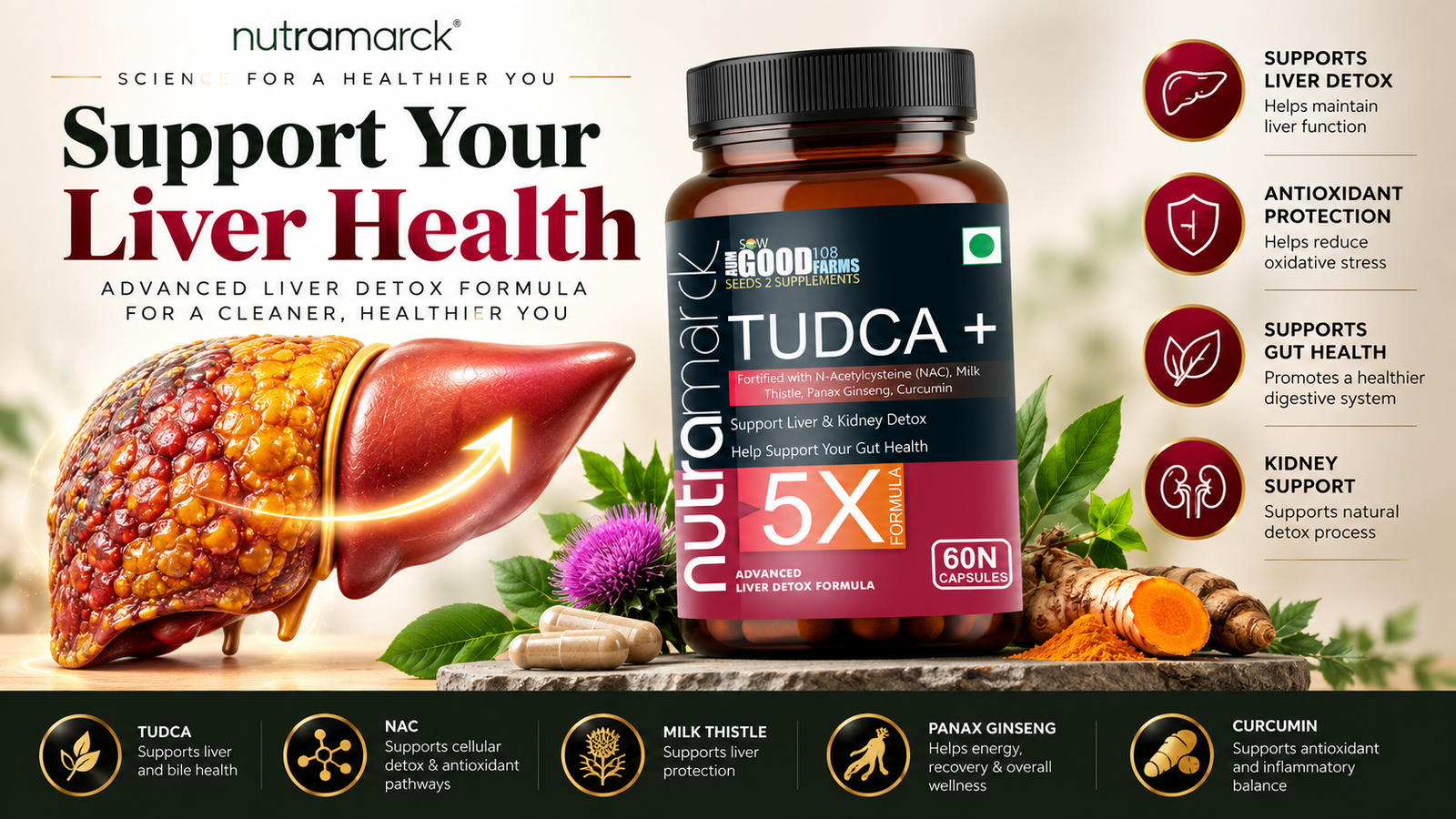
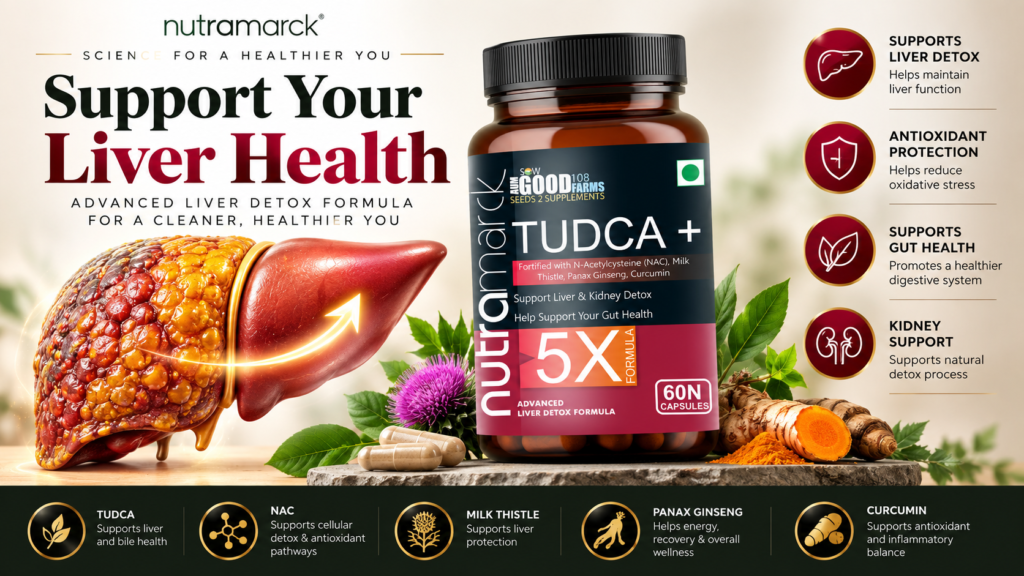
NutraMarck TUDCA+ Liver Support
For adults exploring a liver-support formulation, NutraMarck TUDCA+ combines:
TUDCA + Milk Thistle + NAC + Curcumin + Panax Ginseng
It should be viewed as a supplement, not a treatment for fatty liver, hepatitis, cirrhosis or other liver disease.
Explore NutraMarck TUDCA+ Liver Support
What Should You Do If You Have Fatty Liver?
The most useful approach is not to panic or buy a “detox.”
Work systematically.
Confirm the diagnosis → Understand metabolic risk → Assess fibrosis risk when appropriate → Improve diet → Exercise → Gradually manage excess weight → Control diabetes/lipids/blood pressure → Address alcohol → Follow medical advice.
That approach is far more meaningful than searching for a miracle liver-cleanse product.
What Should You NOT Do?
Avoid:
- Crash diets
- Extreme fasting without medical guidance
- Unproven “7-day liver cleanses”
- Heavy alcohol consumption
- Excess sugary beverages
- Random combinations of herbal supplements
- Stopping prescribed medication without medical advice
- Assuming normal symptoms mean your liver is healthy
- Assuming a supplement can reverse cirrhosis
- Ignoring persistently abnormal liver tests
When Should You See a Doctor?
Fatty liver itself may be silent, but advanced liver disease can produce more concerning symptoms.
Seek medical assessment if you develop symptoms such as:
- Yellow skin or eyes (jaundice)
- Swelling of the abdomen
- Dark urine
- Significant unexplained weakness
- Persistent abdominal symptoms
- Other signs of possible liver disease
Cirrhosis can cause jaundice, ascites and other serious complications. NIDDK
If symptoms are severe or rapidly worsening, seek prompt medical care.
Frequently Asked Questions
What is the main cause of fatty liver?
There isn’t one cause for everyone. MASLD is strongly associated with metabolic factors such as overweight/obesity, insulin resistance, type 2 diabetes, abnormal blood lipids and metabolic syndrome. Alcohol can cause a separate form of fatty liver disease. NIDDK
Can fatty liver be reversed?
Liver fat can improve significantly in many people, particularly with sustainable lifestyle changes and gradual weight loss when appropriate. Advanced fibrosis or cirrhosis requires specialist medical management. NIDDK
How can I reduce fatty liver naturally?
Regular exercise, healthy eating, gradual weight management, reducing sugary drinks, addressing alcohol and controlling metabolic risk factors are key measures.
What should I eat for fatty liver?
A balanced eating pattern emphasizing vegetables, whole fruits, legumes, whole grains and appropriate unsaturated fats while reducing excess calories, added sugars and highly processed foods is a reasonable approach. NIDDK
Which foods should I avoid with fatty liver?
Particularly limit sugar-sweetened beverages, excessive added sugars, highly processed foods and excess saturated/trans fats. Alcohol should be discussed with your healthcare professional if you have liver disease. NIDDK
Is Grade 1 fatty liver reversible?
Mild liver fat can often improve with appropriate lifestyle and metabolic-risk management, but an ultrasound grade alone does not establish fibrosis severity.
Is walking good for fatty liver?
Yes. Regular physical activity can benefit fatty liver even without substantial weight loss. NIDDK
Can a thin person have fatty liver?
Yes. Although overweight and obesity are major risk factors, genetics and metabolic factors mean fatty liver can also occur in lean people.
Does lemon water cure fatty liver?
There is no good evidence that lemon water cures fatty liver. Water can be part of a healthy diet, but it does not replace weight management, exercise or appropriate medical treatment.
Can TUDCA cure fatty liver?
TUDCA has research relevance to bile-acid and liver biology, but a dietary supplement should not be considered a cure for fatty liver.
Can fatty liver become cirrhosis?
In some people, progressive liver inflammation and fibrosis can eventually lead to cirrhosis. Not everyone with fatty liver progresses to advanced liver disease. EASL
Is fatty liver caused only by alcohol?
No. MASLD is closely associated with metabolic dysfunction and occurs independently of harmful alcohol intake. Alcohol-associated liver disease is a separate major cause of liver fat and injury. EASL
The Bottom Line
Fatty liver is common, often silent and strongly connected to overall metabolic health.
The good news is that liver fat is modifiable in many people.
Instead of looking for a quick detox, focus on the factors with the strongest evidence:
Healthy Weight + Better Diet + Regular Exercise + Less Added Sugar + Appropriate Alcohol Management + Diabetes/Lipid/Blood-Pressure Control + Medical Follow-Up
And remember: fatty liver is not just about the liver.
It can be a signal to pay closer attention to your overall metabolic and cardiovascular health.
References
National Institute of Diabetes and Digestive and Kidney Diseases (NIDDK) — NAFLD/MASLD symptoms, causes, diagnosis, treatment and nutrition guidance. NIDDK
European Association for the Study of the Liver (EASL) — 2024 MASLD clinical practice guidance and terminology. EASL
World Health Organization — alcohol and liver-health information. World Health Organization
Medical Disclaimer
This article is for educational purposes only and does not provide medical diagnosis or treatment. Fatty liver, hepatitis, abnormal liver enzymes and other liver conditions require appropriate medical assessment. Do not start or stop medicines or supplements based only on information in this article.




Add comment