
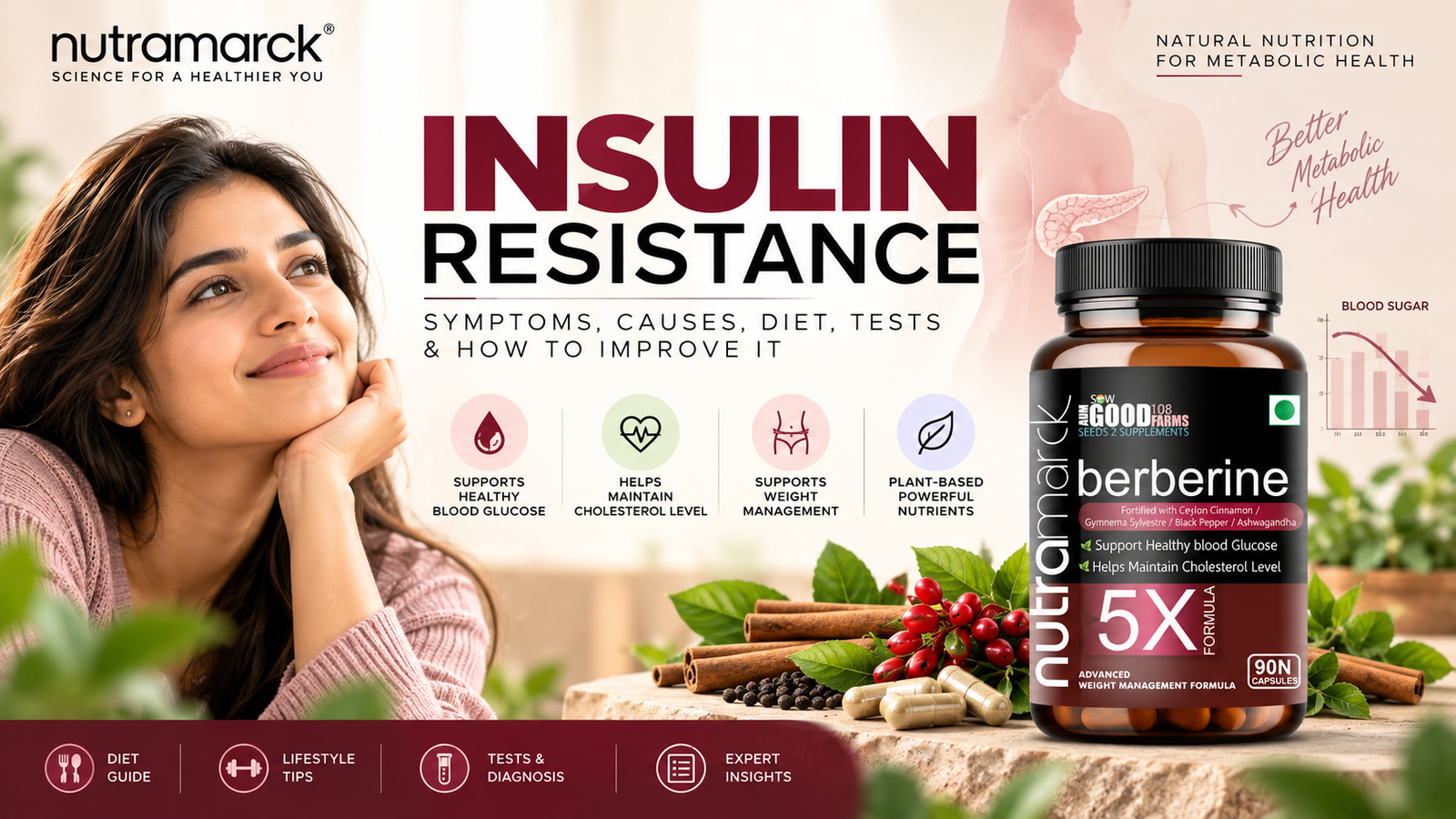
Insulin Resistance: Symptoms, Causes, Diet, Tests & How to Improve It
Feeling tired after meals? Struggling with weight management? Concerned about rising blood sugar levels?
These experiences can have many causes, but one important metabolic condition worth understanding is insulin resistance.
Insulin resistance occurs when the body’s cells respond less effectively to insulin, a hormone that helps regulate blood glucose.
Over time, insulin resistance can contribute to metabolic changes and may increase the risk of developing prediabetes and type 2 diabetes.
However, many people with insulin resistance have no obvious symptoms.
So how do you know if you have insulin resistance? What causes it? Can diet and exercise help? And how is it connected to PCOS?
This complete guide explains the science, common risk factors, testing options, nutrition strategies and evidence-based approaches to improving metabolic health.
What Is Insulin Resistance?
Insulin is a hormone produced by the pancreas.
Its primary role is to help regulate glucose levels in the bloodstream.
After you eat, carbohydrates are broken down into glucose, which enters the blood.
Insulin helps cells, particularly muscle and fat cells, take up glucose and use or store it.
Insulin resistance develops when cells become less responsive to insulin.
To compensate, the pancreas may produce additional insulin.
This can help maintain normal blood glucose levels for some time.
However, if the pancreas can no longer produce enough insulin to compensate, blood glucose may rise.
This can eventually contribute to prediabetes or type 2 diabetes.
What Are the Symptoms of Insulin Resistance?
One of the most important facts about insulin resistance is that it often causes no noticeable symptoms.
Some associated signs or clinical findings may include:
- Increased waist circumference
- Darkened, velvety skin patches, known as acanthosis nigricans
- Skin tags in some individuals
- Elevated blood pressure
- Abnormal cholesterol or triglyceride levels
- Elevated blood glucose
- Features of PCOS in some women
Fatigue, cravings and difficulty managing weight are frequently discussed online, but these symptoms alone cannot diagnose insulin resistance.
1. Dark Skin Around the Neck
Acanthosis nigricans is a condition that causes darker, thicker, velvety-looking skin.
It may appear around the:
- Neck
- Armpits
- Groin
- Other skin folds
It can be associated with insulin resistance, although other causes are possible.
A healthcare professional should evaluate persistent or changing skin findings.
2. Insulin Resistance and Weight Gain
Insulin resistance and excess body fat, particularly abdominal fat, are often associated.
However, the relationship is complex.
Not everyone with insulin resistance is overweight, and not everyone who is overweight has the same degree of insulin resistance.
Body weight alone cannot confirm the condition.
3. Insulin Resistance and Fatigue
Fatigue is commonly attributed to insulin resistance online.
However, tiredness can also result from poor sleep, anaemia, thyroid conditions, stress and many other causes.
Therefore, fatigue should not be treated as proof of insulin resistance.
4. Insulin Resistance Symptoms in Women
Insulin resistance is particularly relevant to women’s metabolic health because of its association with Polycystic Ovary Syndrome (PCOS).
Some women with PCOS experience:
- Irregular menstrual cycles
- Acne
- Excess facial hair
- Scalp hair thinning
- Metabolic risk factors
Not every woman with PCOS has the same degree of insulin resistance.
For more information on nutrition and lifestyle, read our PCOS Diet Plan guide on NutraMarck.in.
5. Insulin Resistance Symptoms in Men
Men may also develop insulin resistance, often without noticeable symptoms.
Risk factors can include excess abdominal fat, physical inactivity, family history and certain metabolic conditions.
Assessment should focus on individual health risks rather than assuming that any one symptom confirms the diagnosis.
What Causes Insulin Resistance?
Insulin resistance can develop through a combination of genetic, metabolic and lifestyle-related factors.
Excess Visceral Fat
Higher levels of abdominal visceral fat are associated with insulin resistance.
Physical Inactivity
Regular muscle activity helps the body use glucose.
A sedentary lifestyle can contribute to reduced insulin sensitivity.
Genetic Predisposition
Family history can influence metabolic risk.
Sleep Problems
Insufficient sleep and certain sleep disorders may negatively affect metabolic regulation.
Certain Medical Conditions
PCOS, fatty liver disease and some endocrine disorders can be associated with insulin resistance.
Certain Medications
Some medicines may affect blood glucose regulation or insulin sensitivity.
Never stop prescribed medication without medical advice.
Insulin Resistance vs Diabetes
These terms are related but not identical.
| Insulin Resistance | Type 2 Diabetes |
|---|---|
| Cells respond less effectively to insulin | Blood glucose is persistently elevated according to diagnostic criteria |
| Blood glucose may initially remain normal | Blood glucose exceeds established diagnostic thresholds |
| Can exist without diabetes | Often involves insulin resistance and impaired insulin secretion |
| May increase diabetes risk | Requires ongoing medical management |
Insulin resistance does not automatically mean a person has diabetes.
How Is Insulin Resistance Diagnosed?
There is no single routine test that directly diagnoses insulin resistance in every clinical setting.
Healthcare professionals may assess metabolic risk using:
- Fasting blood glucose
- HbA1c
- Oral glucose tolerance testing when indicated
- Blood pressure
- Lipid profile
- Waist circumference and other clinical factors
Fasting insulin and HOMA-IR are sometimes used in research or selected clinical contexts, but they are not universally standardised routine diagnostic tests.
HbA1c and Insulin Resistance
HbA1c reflects average blood glucose over approximately the previous two to three months.
It is commonly used to identify prediabetes and diabetes.
However, a normal HbA1c does not necessarily rule out insulin resistance.
What Is the Best Diet for Insulin Resistance?
There is no single perfect diet for everyone.
A balanced eating pattern generally emphasises:
- Vegetables
- Whole fruits
- Adequate protein
- Fibre-rich carbohydrates
- Healthy fats
- Appropriate energy intake
- Limited sugary drinks and highly refined foods
Dietary choices should reflect personal preferences, medical conditions and nutritional requirements.
Best Foods for Insulin Resistance
1. Fibre-Rich Foods
Examples include:
- Oats
- Lentils
- Beans
- Chickpeas
- Whole grains
- Vegetables
- Whole fruits
Fibre can support digestive health and improve overall dietary quality.
2. Protein-Rich Foods
Examples include:
- Paneer
- Curd
- Tofu
- Dal
- Eggs
- Fish
- Lean poultry
Protein contributes to muscle maintenance and can help create balanced meals.
3. Healthy Fats
Nuts, seeds and appropriate plant oils can be included as part of a balanced diet.
4. Non-Starchy Vegetables
Vegetables such as spinach, cauliflower, cabbage, cucumber and beans can provide fibre and important micronutrients.
Foods to Limit With Insulin Resistance
Consider limiting frequent consumption of:
- Sugar-sweetened beverages
- Excessive sweets
- Highly refined snacks
- Large portions of energy-dense fast food
- Foods with substantial added sugar
This does not mean every carbohydrate must be eliminated.
Indian Diet Plan for Insulin Resistance
Here is a general example of a balanced Indian eating routine.
| Meal | Example |
|---|---|
| Breakfast | Moong dal chilla with curd |
| Mid-morning | Guava or apple with nuts |
| Lunch | Roti, dal, vegetables and salad |
| Evening | Roasted chana or unsweetened curd |
| Dinner | Paneer/tofu, vegetables and roti |
Portion sizes should be individualised, especially for people with diabetes or those taking glucose-lowering medication.
Can Walking Improve Insulin Sensitivity?
Yes. Physical activity can help improve insulin sensitivity.
Walking after meals may also help reduce post-meal glucose excursions in some people.
Start with an appropriate duration and intensity.
Regularity is more important than attempting an unsustainable exercise programme.
Strength Training and Insulin Resistance
Muscle tissue plays an important role in glucose metabolism.
Resistance training can improve muscle fitness and contribute to better metabolic health.
A balanced exercise routine may combine aerobic activity and muscle-strengthening exercise.
Sleep and Insulin Resistance
Sleep is another important component of metabolic health.
Consistently inadequate sleep can negatively affect glucose regulation.
A regular sleep schedule and appropriate evaluation of suspected sleep disorders can support overall health.
Can Insulin Resistance Be Reversed?
Insulin sensitivity can improve through lifestyle interventions, weight management where appropriate and treatment of underlying conditions.
However, results vary by individual.
The word “reversed” should not be interpreted as a guaranteed permanent cure.
Long-term metabolic health usually requires ongoing attention.
Insulin Resistance and PCOS
Insulin resistance is common among women with PCOS.
Elevated insulin levels may influence androgen production and contribute to certain metabolic and reproductive features.
However, PCOS is a complex condition, and insulin resistance is not its only cause.
Nutrition, physical activity, sleep and appropriate medical care all have roles in management.
Berberine and Metabolic Health: What Does Research Say?
Berberine is a plant-derived compound that has attracted scientific interest in metabolic-health research.
Studies have investigated its potential effects on:
- Blood glucose markers
- Lipid metabolism
- Insulin sensitivity
- Metabolic pathways
Some clinical studies and meta-analyses have reported potentially favourable results.
However, research quality, formulations, doses and populations vary, and the evidence is not sufficient to treat berberine supplements as substitutes for established diabetes care.
Berberine may also interact with medicines and is not appropriate for everyone, particularly during pregnancy or breastfeeding.
For readers researching botanical supplement formulations, NutraMarck offers Berberine Metabolic Support Capsules.
Explore NutraMarck Berberine Metabolic Support Capsules →
Review the complete ingredients and product directions before considering use.
How to Improve Insulin Sensitivity Naturally
A sustainable approach can include:
1. Move Regularly
Include walking, cycling or another enjoyable physical activity.
2. Build Muscle
Add resistance training appropriate for your fitness level.
3. Improve Dietary Quality
Prioritise balanced meals containing fibre, protein and vegetables.
4. Maintain Healthy Sleep Habits
Aim for a consistent sleep schedule.
5. Manage Weight When Appropriate
For people with excess body weight, gradual weight reduction can improve metabolic markers.
6. Follow Medical Advice
If you have prediabetes, diabetes, PCOS or another metabolic condition, follow your healthcare professional’s recommendations.
How Long Does It Take to Improve Insulin Resistance?
There is no universal timeline.
Improvements depend on:
- Baseline metabolic health
- Physical activity
- Dietary changes
- Sleep
- Weight changes where relevant
- Underlying medical conditions
- Treatment adherence
Some metabolic responses to exercise can occur relatively quickly, while sustained improvements generally require consistent habits.
Common Insulin Resistance Myths
Myth: Everyone With Insulin Resistance Is Overweight
False. Insulin resistance can occur at different body weights.
Myth: You Must Stop Eating Rice and Roti
False. Appropriate portions and balanced meals can include these foods.
Myth: Insulin Resistance Always Causes Symptoms
False. Many people have no noticeable symptoms.
Myth: Supplements Can Replace Diabetes Medication
False. Supplements should not replace prescribed treatment.
Myth: One Detox Drink Can Fix Insulin Resistance
False. There is no evidence that a single detox drink can reliably correct insulin resistance.
Frequently Asked Questions
What are the first signs of insulin resistance?
Many people have no symptoms. Associated findings may include acanthosis nigricans, increased waist circumference or abnormal metabolic markers.
Can insulin resistance cause weight gain?
Insulin resistance and excess body fat are associated, but the relationship is complex and varies between individuals.
Is insulin resistance the same as diabetes?
No. Insulin resistance can occur before diabetes develops and may exist while blood glucose remains normal.
Which test is best for insulin resistance?
Healthcare professionals generally assess metabolic risk using clinical history, glucose tests, HbA1c and other relevant measures. There is no single universally used routine test for insulin resistance.
Can insulin resistance be improved naturally?
Physical activity, balanced nutrition, adequate sleep and weight management when appropriate can improve insulin sensitivity.
Can women with PCOS have insulin resistance?
Yes. Insulin resistance is common in PCOS, although not all women with PCOS are affected equally.
Is berberine good for insulin resistance?
Berberine has been studied for metabolic outcomes, but evidence varies. It should not replace prescribed treatment, and potential interactions must be considered.
Is walking good for insulin resistance?
Regular walking can support insulin sensitivity and overall metabolic health.
Can I eat fruit with insulin resistance?
Yes. Whole fruits can fit into a balanced diet. Individual dietary advice may differ for people managing diabetes.
How long does insulin resistance take to improve?
There is no fixed timeline. Improvements depend on individual health factors and consistency with appropriate interventions.
Final Thoughts
Insulin resistance is an important metabolic condition that often develops without obvious symptoms.
It can be associated with PCOS, excess abdominal fat, physical inactivity and other metabolic risk factors.
Fortunately, insulin sensitivity can often improve through sustainable lifestyle changes and appropriate medical care.
Focus on:
Balanced Nutrition + Regular Exercise + Muscle Strength + Healthy Sleep + Medical Monitoring
For readers interested in learning about botanical ingredients studied in metabolic-health research, review the complete formulation and precautions of NutraMarck Berberine Metabolic Support Capsules.
Remember that nutritional supplements are not treatments for diabetes and should not replace prescribed medication.
References
- NIDDK — Insulin Resistance & Prediabetes
- CDC — Prediabetes
- American Diabetes Association
- International Evidence-Based PCOS Guideline
Medical Disclaimer: This article is for general educational purposes only and does not constitute medical advice. Insulin resistance, prediabetes and diabetes require appropriate clinical assessment. Supplements, including berberine, may interact with medications and are not substitutes for prescribed treatment.






Add comment