PCOS Symptoms, Causes, Diet & Treatment: Complete Guide for Women
Irregular periods. Persistent acne. Unexpected facial hair growth. Difficulty managing weight.
For some women, these symptoms may be associated with Polycystic Ovary Syndrome (PCOS), a common hormonal and metabolic condition affecting women of reproductive age.
PCOS can influence menstrual cycles, ovulation, skin, hair, metabolism and fertility. However, symptoms vary widely, and not everyone with PCOS experiences the same concerns.
The good news is that PCOS can often be managed through an individualised combination of lifestyle changes, medical care and ongoing monitoring.
In this guide, we’ll explore PCOS symptoms, possible causes, diagnosis, dietary choices, treatment options and the role of nutritional support.
What Is PCOS?
PCOS stands for Polycystic Ovary Syndrome.
It is a hormonal condition commonly associated with irregular ovulation, increased androgen activity and metabolic changes.
Despite its name, PCOS does not necessarily mean that a woman has ovarian cysts.
Some women with PCOS have a characteristic appearance of multiple small follicles on ultrasound, while others do not.
PCOS is a syndrome, meaning it involves a combination of clinical features rather than one single symptom.
What Are the Early Symptoms of PCOS?
PCOS symptoms may begin around puberty, although diagnosis can occur later.
Common symptoms include:
- Irregular or infrequent menstrual periods
- Acne or persistently oily skin
- Increased facial or body hair growth
- Scalp hair thinning
- Difficulty conceiving due to irregular ovulation
- Weight gain or difficulty managing weight in some individuals
- Darkened, velvety skin patches associated with insulin resistance
Not every woman with PCOS is overweight, and not every woman experiences all these symptoms.
Some women have relatively mild symptoms, while others require more extensive medical management.
1. Irregular Periods and PCOS
Irregular menstrual cycles are among the most common signs of PCOS.
Hormonal changes can interfere with normal ovulation.
As a result, periods may become:
- Infrequent
- Unpredictable
- Absent for several months
- Occasionally unusually heavy
However, irregular periods can also occur due to thyroid disorders, pregnancy, stress, significant weight changes and other medical conditions.
A proper diagnosis is important.
2. PCOS and Weight Gain
PCOS is often associated with insulin resistance, which can influence metabolic health.
Some women with PCOS experience weight gain or difficulty losing weight.
However, PCOS also occurs in women with a normal body mass index.
This is sometimes described as lean PCOS.
Body weight alone cannot confirm or rule out PCOS.
3. PCOS and Acne
Higher androgen activity may contribute to increased oil production in the skin.
This can lead to persistent acne, sometimes affecting the:
- Face
- Jawline
- Chest
- Back
Acne alone does not establish a PCOS diagnosis.
4. PCOS and Hair Loss
Some women with PCOS experience thinning of scalp hair, particularly around the central parting or crown.
This may be related to androgen activity.
Hair loss can also have other causes, including nutritional deficiencies and thyroid disorders, so evaluation is important.
5. PCOS and Facial Hair Growth
Excess facial or body hair growth is known as hirsutism.
It may appear on the chin, upper lip, chest or abdomen.
This symptom is often related to increased androgen activity.
What Causes PCOS?
There is no single established cause of PCOS.
Researchers believe it develops through a combination of genetic, hormonal and metabolic factors.
Insulin Resistance
Insulin helps regulate blood glucose.
In insulin resistance, the body’s cells respond less effectively to insulin.
This can contribute to higher circulating insulin levels, which may influence ovarian androgen production.
Hormonal Changes
PCOS can involve increased androgen activity and changes in ovulatory function.
These hormonal differences contribute to several characteristic symptoms.
Genetic Factors
PCOS frequently occurs in families.
Having a close relative with PCOS may increase the likelihood of developing the condition.
Lifestyle and Metabolic Factors
Physical activity, sleep, nutrition and body composition can influence metabolic health and symptom management.
However, PCOS is not simply caused by eating unhealthy food or failing to exercise.
PCOS vs PCOD: What Is the Difference?
In India, the terms PCOS and PCOD are frequently used.
PCOS is the internationally recognised medical diagnosis, with established diagnostic criteria.
PCOD is a term commonly used in general conversation and some clinical settings, but it does not have the same universally standardised diagnostic definition.
Rather than assuming they are two completely separate diseases, it is better to ask your healthcare professional which diagnostic criteria apply to your condition.
How Is PCOS Diagnosed?
PCOS diagnosis requires medical evaluation.
In adults, clinicians commonly assess features involving:
- Irregular ovulation or menstrual cycles
- Clinical or biochemical evidence of increased androgen activity
- Polycystic ovarian morphology on ultrasound or, in appropriate adult settings, relevant AMH assessment
Under current international guidance, PCOS can often be diagnosed in adults when two of the relevant features are present, after excluding other possible causes.
Adolescents require a different approach, and ultrasound findings alone should not be used to diagnose PCOS in teenagers.
Your clinician may also assess glucose metabolism, lipid levels, blood pressure and other health indicators.
Best Diet for PCOS
One of the most common questions is:
What should women with PCOS eat?
There is no single diet proven to be best for every woman with PCOS.
Instead, the goal is to establish a sustainable eating pattern that supports metabolic health and meets individual nutritional needs.
1. Include Adequate Protein
Protein-containing foods can support a balanced diet and help with satiety.
Examples include:
- Lentils and dals
- Chickpeas
- Paneer
- Curd
- Eggs
- Fish
- Tofu
2. Choose Fibre-Rich Carbohydrates
Fibre-rich foods can be useful within an overall balanced dietary pattern.
Examples include oats, whole grains, beans, vegetables and whole fruits.
There is no need for every woman with PCOS to eliminate carbohydrates.
3. Include Healthy Fats
Nuts, seeds and suitable plant oils can contribute to a balanced diet.
4. Eat More Vegetables
Vegetables provide fibre, vitamins, minerals and a range of plant compounds.
Aim for variety rather than depending on one supposedly miraculous PCOS food.
5. Limit Excessive Added Sugar
Reducing frequent consumption of sugar-sweetened beverages and highly processed, energy-dense foods can support overall metabolic health.
This does not mean occasional desserts are forbidden.
Sample Indian PCOS-Friendly Diet Plan
The following is a general balanced-meal example, not a personalised medical diet.
| Meal | Example |
|---|---|
| Breakfast | Vegetable besan chilla with curd |
| Mid-morning | Whole fruit with a few nuts |
| Lunch | Roti, dal, seasonal sabzi and salad |
| Evening | Roasted chana or unsweetened curd |
| Dinner | Paneer/tofu with vegetables and roti |
| Hydration | Water throughout the day |
Portion sizes should be adjusted according to individual nutritional needs, activity level and medical circumstances.
Foods to Limit With PCOS
Instead of creating an unnecessarily restrictive food list, focus on overall dietary quality.
It may help to limit frequent consumption of:
- Sugar-sweetened beverages
- Highly refined snack foods
- Excessively energy-dense fast food
- Large amounts of added sugar
No single food causes PCOS, and there is no scientific reason to label every carbohydrate as harmful.
PCOS and Exercise
Regular physical activity is an important component of PCOS management.
It can support:
- Cardiovascular fitness
- Insulin sensitivity
- Weight management when relevant
- Mental well-being
- Long-term metabolic health
A practical routine can include brisk walking, cycling, swimming and resistance training.
For many adults, a useful general target is at least 150 minutes of moderate-intensity aerobic activity per week, alongside muscle-strengthening activity.
The most effective routine is one you can sustain.
PCOS and Weight Loss
Weight management may be relevant for some women with PCOS, but it is not the only goal of treatment.
Lifestyle improvements can provide benefits even without substantial weight loss.
Women with lean PCOS may also benefit from appropriate exercise, nutrition and metabolic assessment.
Avoid crash diets or extreme restriction.
PCOS Treatment Options
Treatment depends on symptoms, fertility goals, metabolic risk and personal preferences.
A clinician may recommend:
- Lifestyle interventions
- Hormonal contraceptive treatment for certain menstrual or androgen-related symptoms
- Metformin in appropriate circumstances
- Fertility treatment when needed
- Targeted acne or hirsutism management
- Screening and management of metabolic risk factors
There is no single treatment suitable for every woman with PCOS.
Can PCOS Be Cured Permanently?
PCOS is generally considered a long-term condition.
Although symptoms can improve substantially with appropriate management, there is no established universal permanent cure.
The aim is to manage symptoms, protect long-term health and support quality of life.
PCOS and Pregnancy
Many women with PCOS can become pregnant naturally.
However, irregular ovulation can make conception more difficult for some.
If pregnancy is a goal, a healthcare professional can assess ovulation and discuss appropriate options.
PCOS does not automatically mean infertility.
PCOS Supplements: What Does the Research Say?
Women often search for nutritional supplements associated with PCOS.
Commonly discussed ingredients include:
- Inositol
- Vitamin D
- Omega-3 fatty acids
- Magnesium
- Certain botanical extracts
Evidence varies substantially between ingredients.
For example, inositol has been investigated for metabolic and reproductive outcomes, but clinical benefits remain uncertain for several important endpoints.
Vitamin D supplementation may be appropriate when intake is inadequate or deficiency is present, but it should not be promoted as a cure for PCOS.
Supplements should not replace appropriate diagnosis, medical treatment or a balanced diet.
Understanding NutraMarck PCOS Balance Tablets
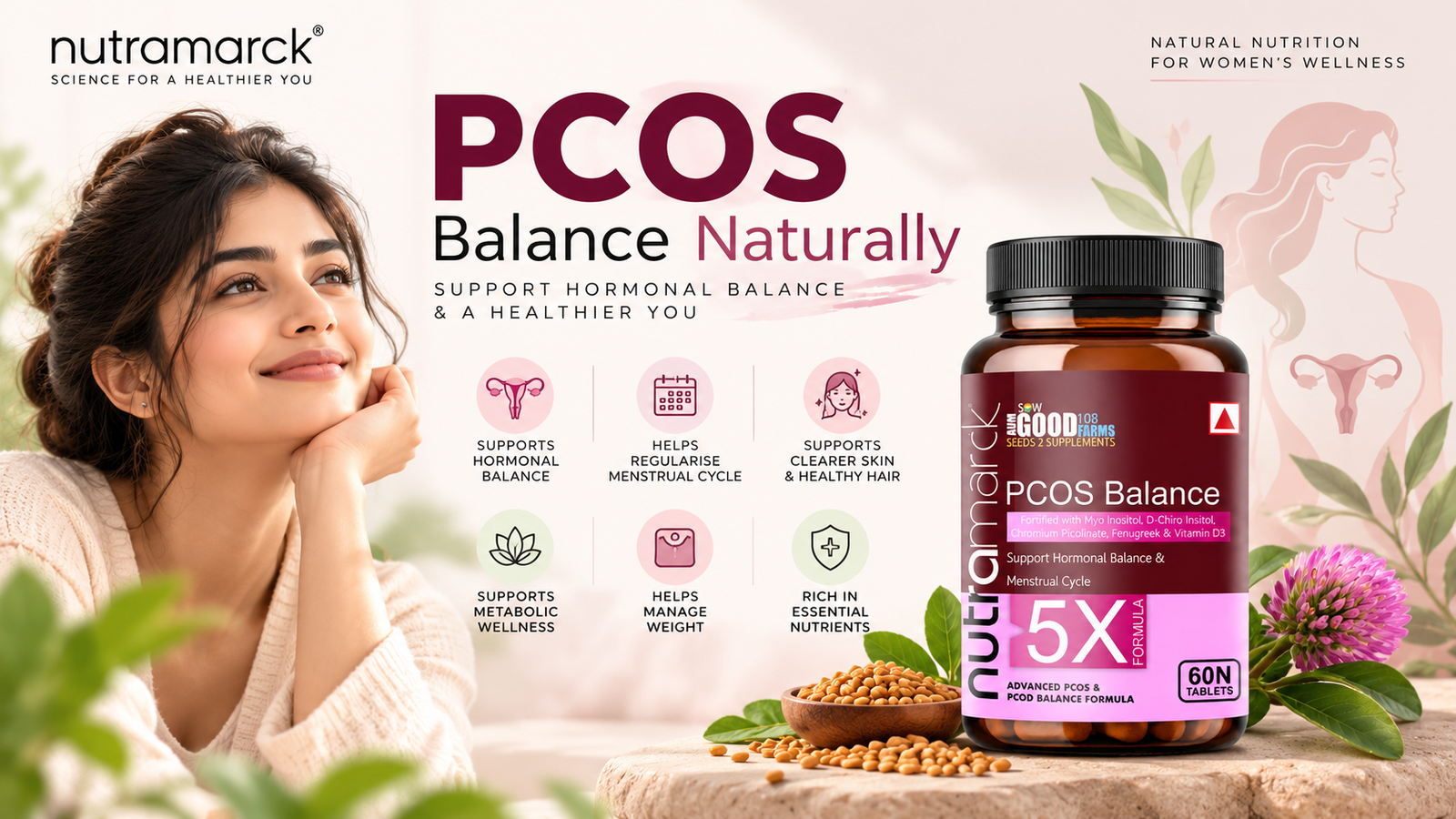
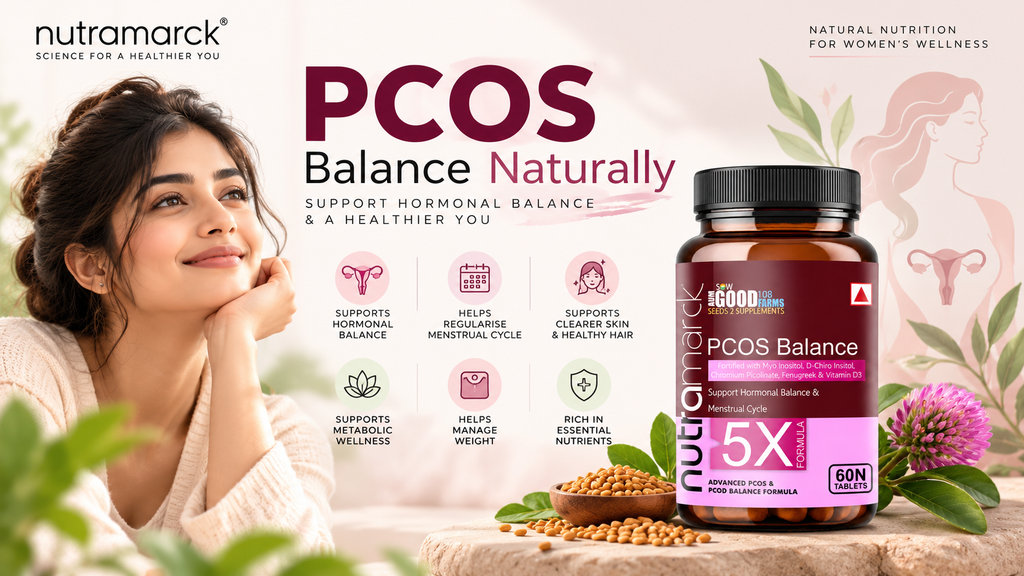
NutraMarck offers a PCOS-focused supplement formulation for women exploring nutritional support as part of their wellness routine.
Before choosing a supplement, review its complete ingredient list, quantities, serving instructions and suitability for your circumstances.
Explore NutraMarck PCOS Balance Tablets →
A PCOS-focused supplement should be understood as an optional addition to a broader care plan—not a treatment that has been proven to restore ovulation, reverse PCOS or guarantee pregnancy.
How to Build a Sustainable PCOS Wellness Routine
Managing PCOS often involves making several manageable changes rather than attempting a complete lifestyle transformation overnight.
Start with a few consistent habits.
Morning: Eat a balanced breakfast and follow any prescribed treatment.
Afternoon: Choose a balanced lunch and incorporate regular movement.
Evening: Include physical activity where practical and eat a satisfying, nutrient-dense meal.
Night: Maintain a regular sleep schedule.
Women considering additional nutritional support can review the ingredients and directions of NutraMarck PCOS Balance Tablets and discuss suitability with their healthcare professional.
PCOS and Mental Health
PCOS can affect more than reproductive and metabolic health.
Women with PCOS may experience anxiety, depressive symptoms or concerns about body image.
These concerns deserve appropriate support.
A comprehensive PCOS care plan should consider both physical and psychological well-being.
Frequently Asked Questions About PCOS
What are the first signs of PCOS?
Irregular periods, acne, excess facial hair and scalp hair thinning are common signs. However, these symptoms can have other causes.
Can PCOS occur without weight gain?
Yes. PCOS can occur at any body size, including in women with a normal BMI.
What is the best diet for PCOS?
No single diet is best for everyone. A balanced, sustainable eating pattern that supports metabolic health is generally recommended.
Can PCOS cause infertility?
PCOS can affect ovulation and make conception more difficult for some women, but many women with PCOS become pregnant.
Is PCOS the same as PCOD?
PCOS is an internationally recognised diagnosis. PCOD is a commonly used term without the same standardised diagnostic criteria.
Does PCOS cause hair loss?
Some women with PCOS experience androgen-related scalp hair thinning. Other causes of hair loss should also be considered.
Can exercise help PCOS?
Regular exercise can improve metabolic health and overall well-being and is recommended as part of PCOS management.
Are PCOS supplements necessary?
Not necessarily. Supplements may be considered in selected circumstances, but evidence varies and they do not replace medical care.
Can PCOS be managed naturally?
Lifestyle changes can help manage several aspects of PCOS, but some women also need medical treatment.
Can PCOS be permanently cured?
There is currently no universal permanent cure, although symptoms and health risks can often be managed effectively.
Final Thoughts
PCOS is a complex condition involving hormonal, reproductive and metabolic factors.
Its symptoms can include irregular periods, acne, unwanted hair growth, scalp hair thinning and fertility difficulties.
However, every woman’s experience is different.
The most effective long-term approach focuses on appropriate medical evaluation, sustainable nutrition, regular exercise, adequate sleep and individualised treatment.
For women interested in additional nutritional support, ingredient transparency and realistic expectations should guide supplement choices.
Discover NutraMarck PCOS Balance Tablets →



Add comment